Most homeowners think their roof's lifespan is set by the warranty on the shingle box. It is not. A 30-year shingle on a poorly-ventilated attic burns out in 18, and a 25-year three-tab on a properly-vented attic outlives it. Ventilation is the quiet variable that nobody quotes on, and it makes more difference than the shingle line item.
What attic ventilation actually does
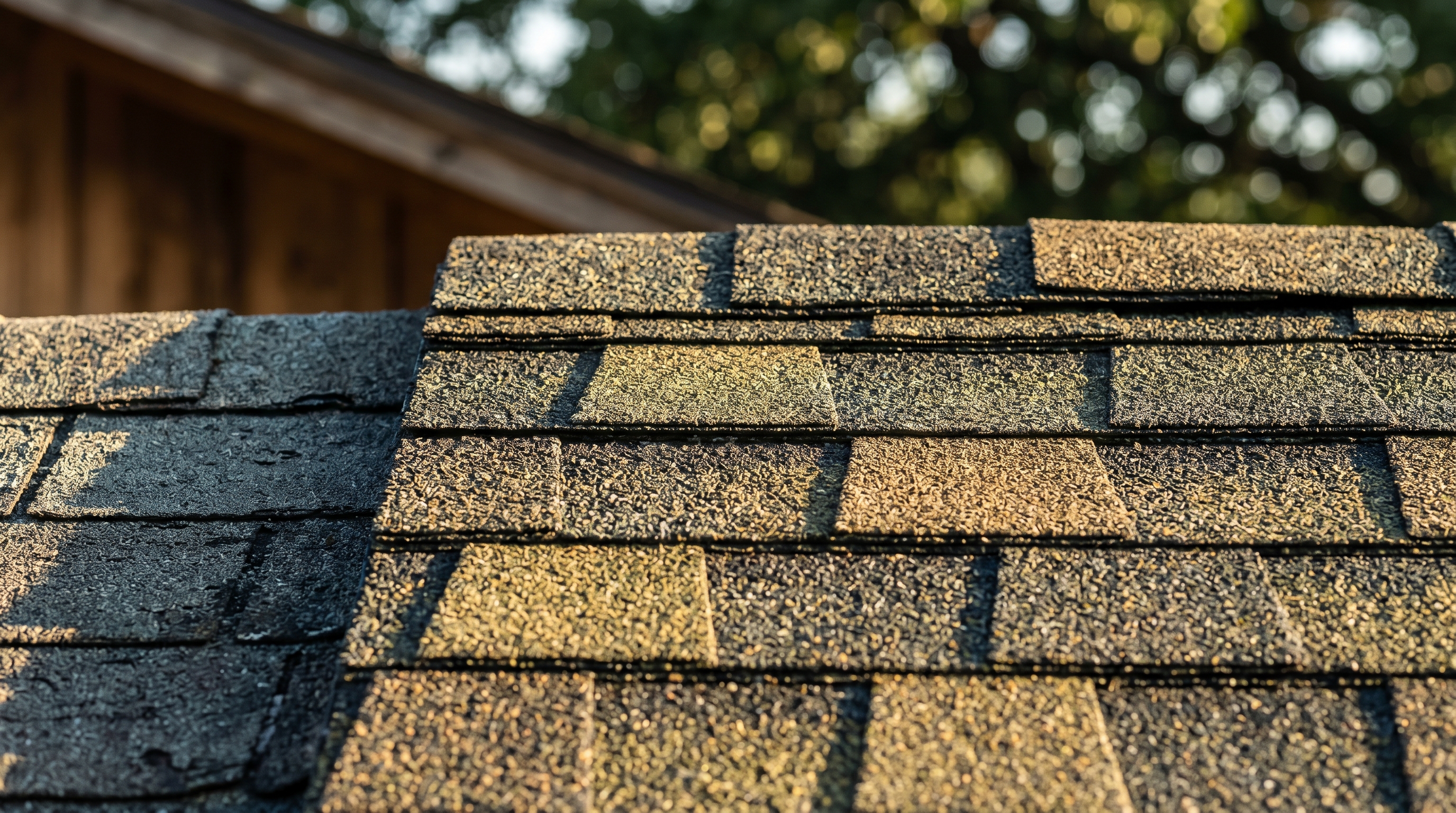
A roof is a heat trap. Texas summer sun hits the shingles, the asphalt absorbs and re-emits the heat downward, and the air immediately under the decking gets to 150 to 170°F. That cooked air cooks the bottom of the shingle and dries out the asphalt mat from beneath. The result: granules pop early, shingles curl at the edges, and the warranty period gets cut in half.
A balanced ventilation system pulls cool air in at the soffit, runs it up the underside of the decking, and exhausts hot air out at the ridge. Done right, attic temperatures drop 30 to 40°F at peak. The shingles last their full term.
The intake vs exhaust math
Texas building code calls for 1 sq ft of net free vent area per 150 sq ft of attic floor — split roughly 50/50 between intake (soffit) and exhaust (ridge). On a typical 2,400 sq ft home, that is about 16 sq ft of total vent area. Most houses we inspect are under-vented by 30 to 60 percent.
- Intake: continuous soffit vents (best) or evenly-spaced individual vents
- Exhaust: continuous ridge vent (best), box vents, or wind-driven turbines
- Net free vent area numbers are stamped on every product — read them
- Powered attic fans can short-circuit a passive system and pull air from inside the house
Signs your attic is not venting properly
- Ice damming in winter (rare in Texas but a sign of trapped heat melting roof edges)
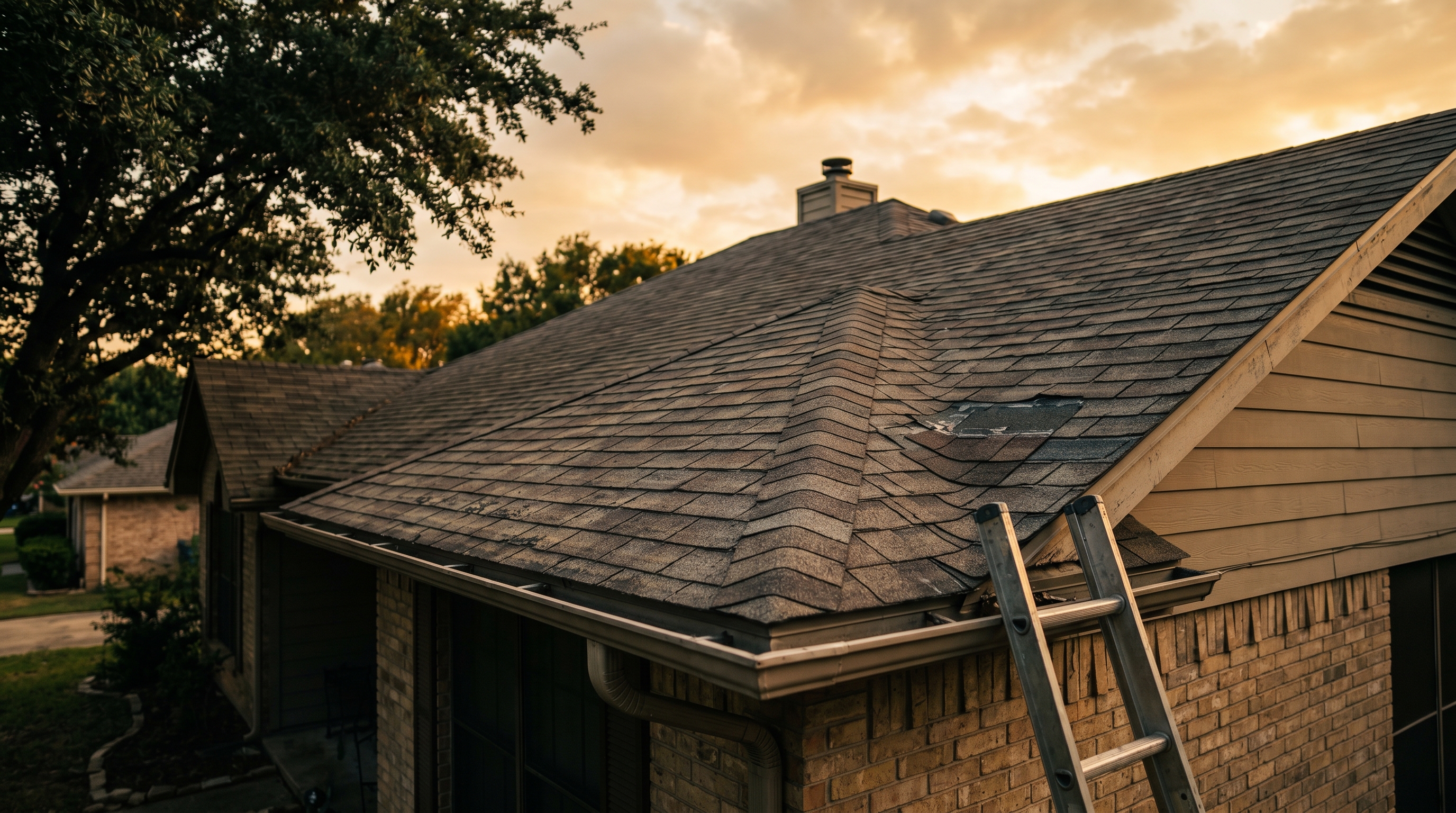
- Curling shingle edges on a roof under 12 years old
- Mold or staining on the underside of the decking
- A 130°F+ attic on a 90°F afternoon (measure with a $20 IR thermometer)
- AC working overtime in summer and energy bills climbing year over year
Ridge vent vs box vent vs powered fan
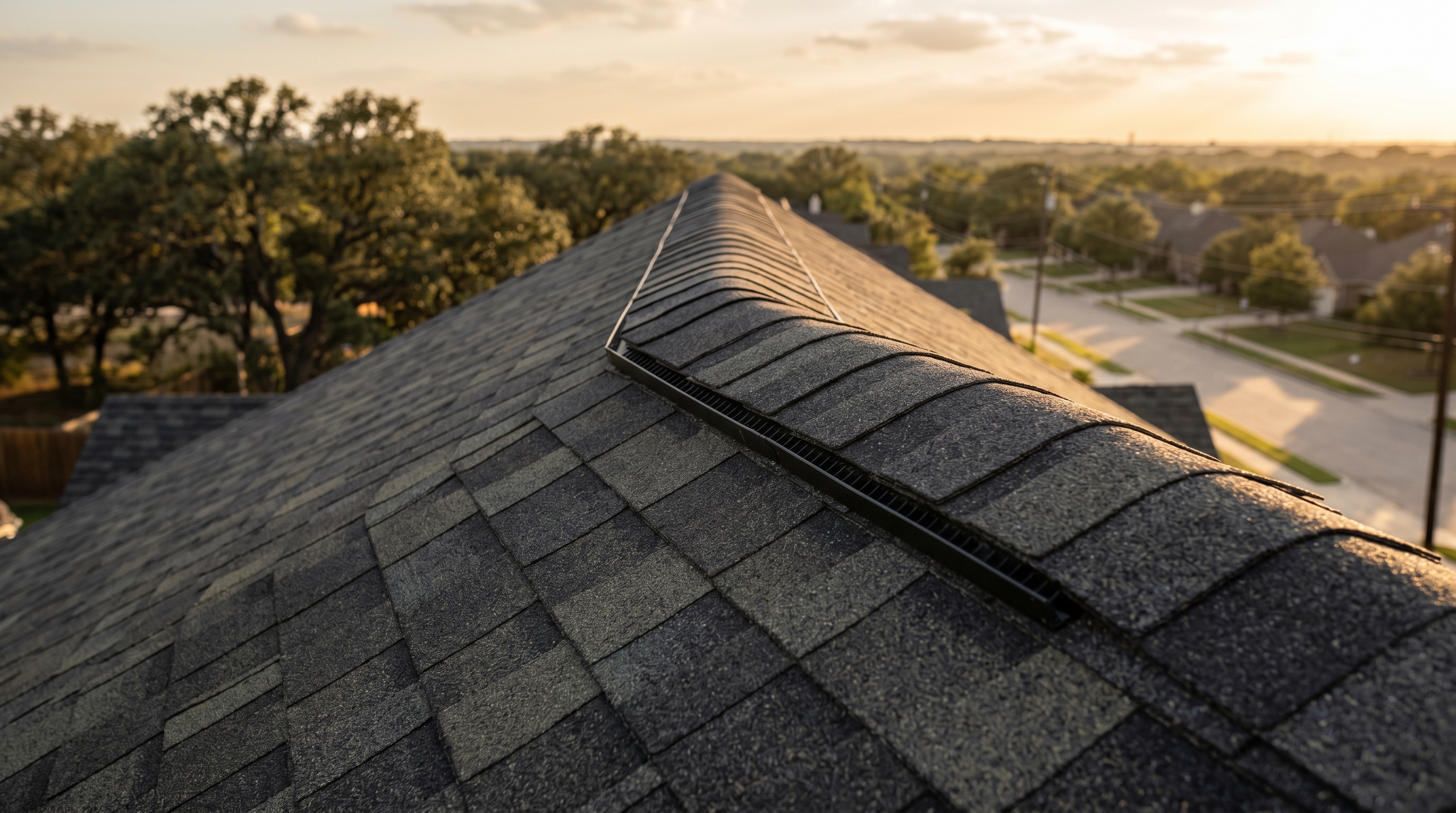
Ridge vent is the modern standard — a continuous low-profile vent cut into the peak of the roof and covered with ridge cap shingles. Box vents (sometimes called turtle vents) are individual louvers spaced across the back slope. They both work; ridge vent is roughly 40 percent more efficient because the exhaust is continuous.
Powered attic fans are mostly a bad idea. They pull air from wherever is easiest, including conditioned air leaking up through ceiling penetrations. That means your AC is now actively cooling the attic. Skip them.
Free estimates across North Texas. Same-day inspections during storm season.