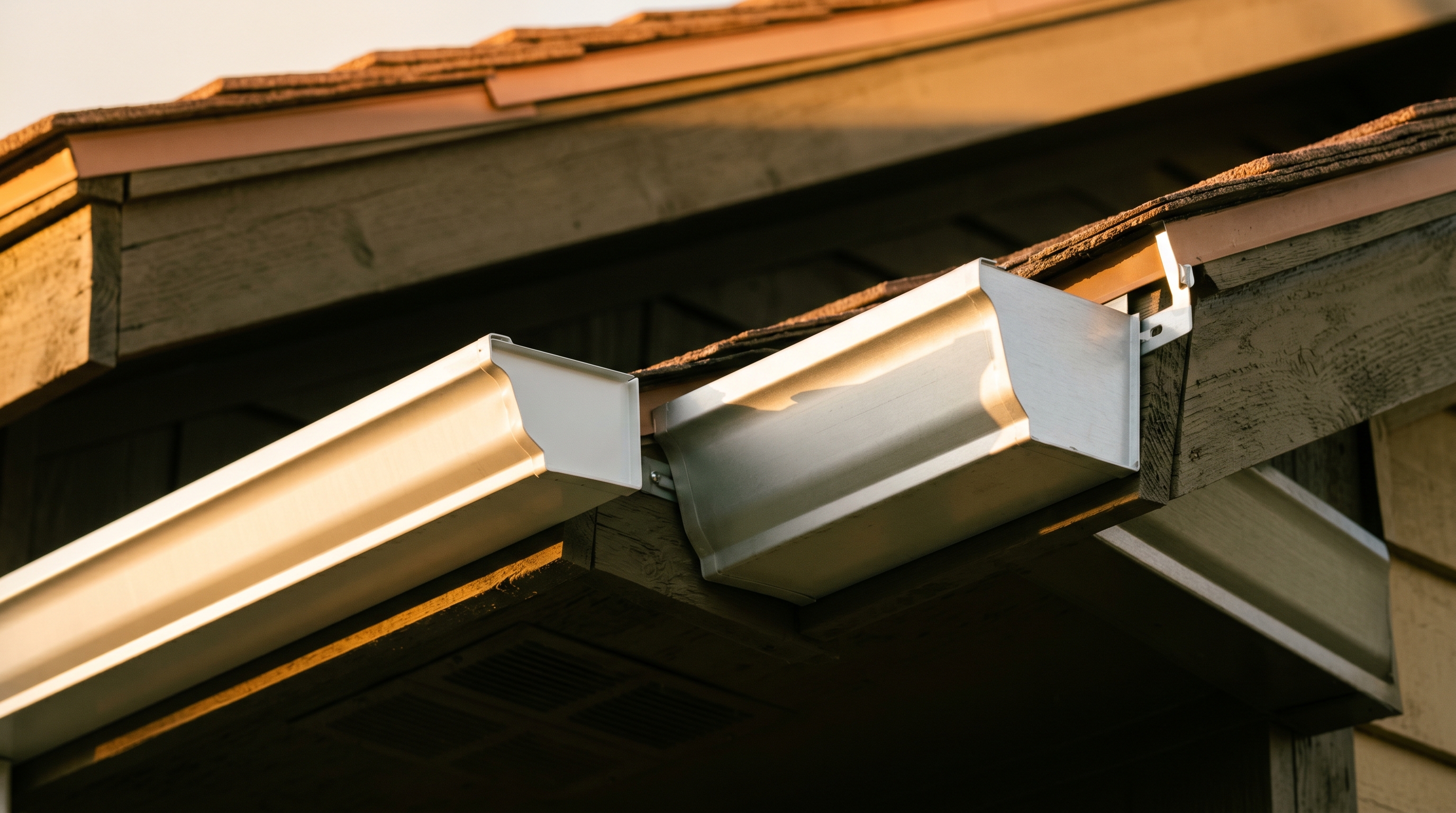

Gutter guards are the single most over-marketed home improvement product in America. The TV ads promise zero maintenance forever; the reality is more nuanced. Some products are worth every dollar, some are landfill, and for a lot of houses the right answer is no guard at all.
The three categories of guard
Almost every product on the market falls into one of three buckets:
- 1Foam inserts — sponges that sit inside the gutter. $1–2/linear foot. They work for about two seasons before they decompose and start growing mold.
- 2Plastic or aluminum screens — perforated panels that snap onto the gutter. $3–6/ft. Block large leaves; let pine needles and grit fall through.
- 3Micro-mesh stainless steel — fine stainless mesh on a structural frame. $8–14/ft installed. Blocks essentially everything down to shingle granules.
What actually works
Micro-mesh is the only category we install on customer homes. The stainless mesh has a hole pattern small enough to stop pine needles and shingle grit, the frame is rigid enough that wind cannot dislodge it, and good products carry 25-year warranties. The two we use most are LeafFilter and HomeCraft Pro Series.
Foam inserts and basic screens we will not install — and we tell customers not to bother. The cost-per-year is worse than just paying us to clean the gutters every six months.
When guards make economic sense
- You have large overhanging trees within 30 feet of the roof
- You are 65 or older (or have a two-story home and no taste for ladders)
- You are paying $400+ per year for gutter cleaning service
- Your gutters back up regularly and rot the fascia
When guards do not make sense
- No trees within 50 feet of the house
- Single-story home with safe ladder access
- Newer roof that does not shed many granules into the gutter
- Budget where two free cleanings a year are easier than $2,000+ for guards
Free estimates across North Texas. Same-day inspections during storm season.