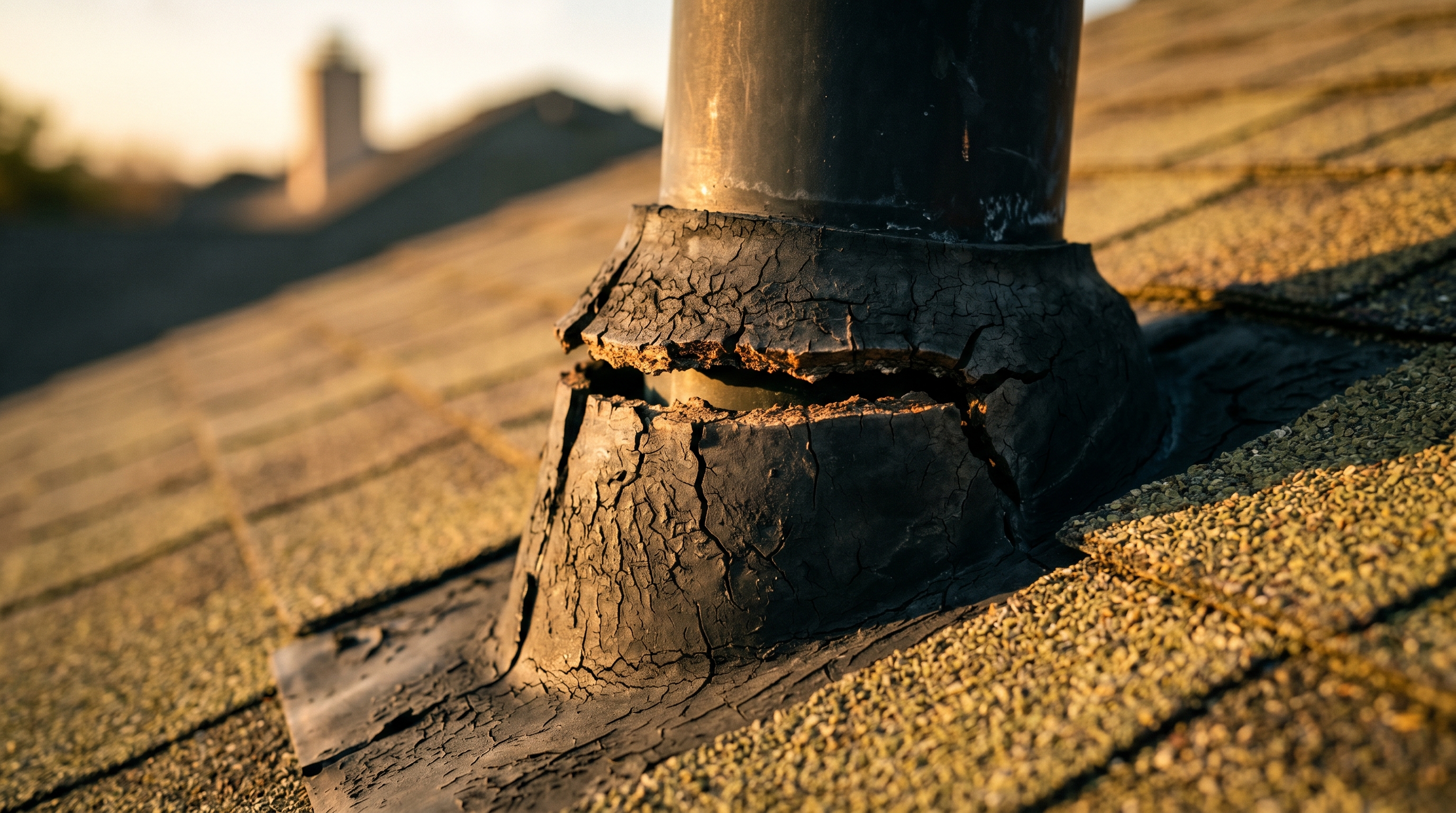
Flashing is the unsung hero of every roof. Most homeowners can tell you what a shingle is. Almost none can tell you what flashing is or where it lives. That gap in knowledge costs people thousands of dollars in leak repairs every year — because flashing failures are the #2 cause of roof leaks behind pipe boots.
What flashing actually is
Flashing is thin sheet metal (usually aluminum or galvanized steel) installed at every point where the roof meets another surface — a wall, a chimney, a skylight, a valley between two slopes, the edge of the roof itself. Its job is to direct water away from those vulnerable transitions and out onto the shingle field where the roof can shed it normally.
The four main types
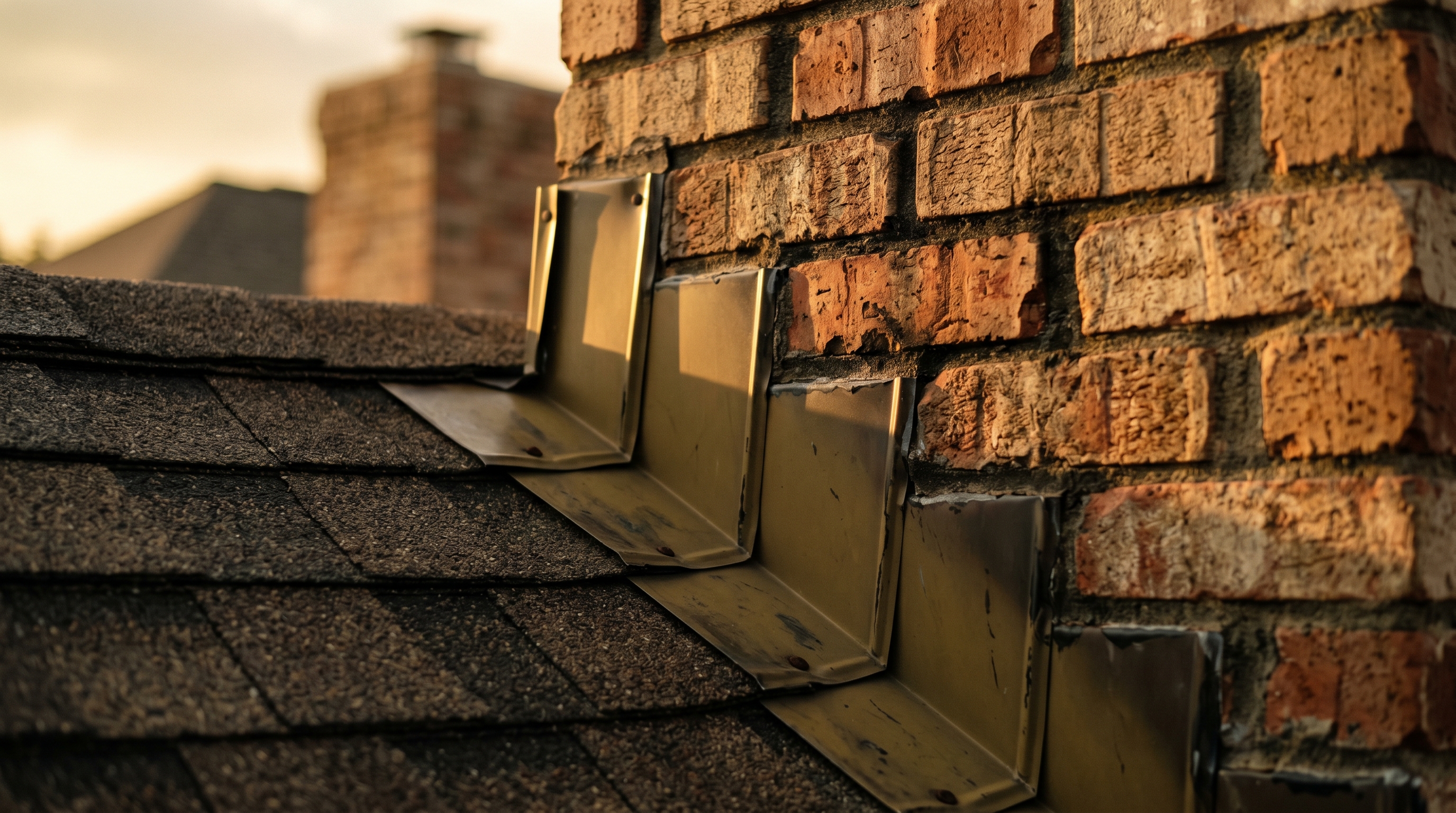
- 1Step flashing — small L-shaped pieces installed one per shingle course where a roof meets a sidewall
- 2Counter flashing — a second piece on top of step flashing, embedded in masonry or siding to weatherproof the upper edge
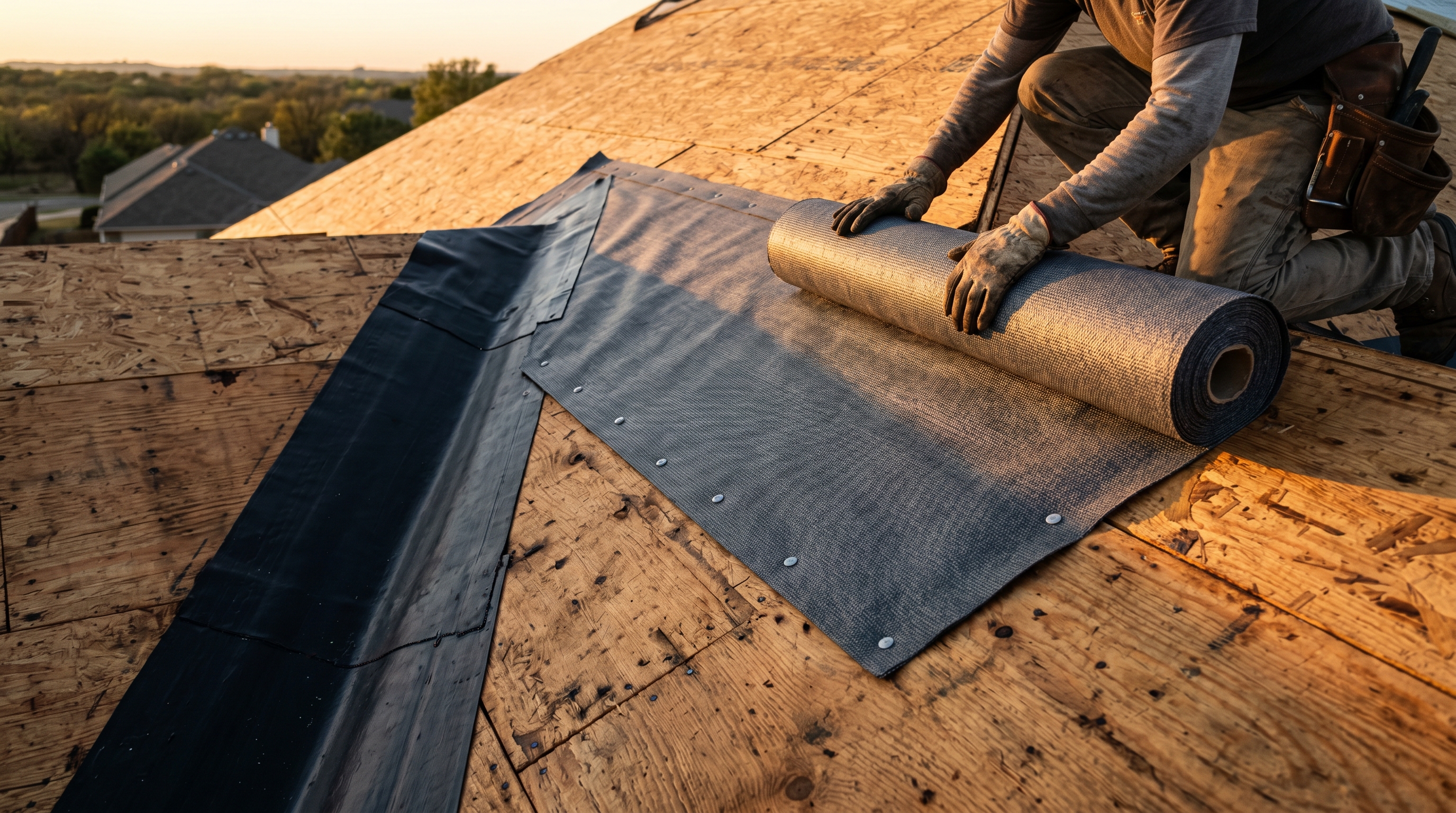
- 3Valley flashing — long strips of metal installed in roof valleys before the shingles go down
- 4Drip edge — L-profile metal installed along eaves and rakes to direct water into the gutter and away from the fascia
Why it fails
Three main failure modes, in order of frequency:
- The original install used roofing tar or caulk as the primary water barrier — and tar fails in 5 to 8 years
- Counter flashing was nailed instead of mortared into the masonry — the nail head rusts through, water sneaks behind
- The flashing was the right size but bent wrong — a slight gap at one corner is enough
- On older homes (pre-1985), galvanized flashing has corroded through after 40+ years of weather
The chimney problem
Chimneys are the worst offenders. Brick is porous, masonry expands and contracts differently from sheet metal, and the chimney itself acts as a dam that funnels water sideways into the joint. A chimney with original 1990 flashing on a 35-year-old roof is almost certainly leaking even if nobody has noticed yet.
A proper chimney flashing job means stripping the old metal, cutting fresh reglets (slots in the masonry) for the counter flashing, sealing them with masonry sealant, then installing new step flashing and re-shingling around it. Done right, 25+ year service life. Done wrong, 18 months.
Free estimates across North Texas. Same-day inspections during storm season.