Filing a roofing insurance claim in Texas is not difficult, but the steps matter. Skip the wrong one and you can torpedo a legitimate claim — or worse, end up paying out of pocket for damage that was covered. This is the order of operations we walk every homeowner through.
Step 1 — Document the storm itself
Before you call anyone, screenshot the radar from the storm date. Sites like NWS, Weather Underground, or the free CoCoRaHS network show hail track maps. You want a date stamp, the hail size in your zip code, and the time the storm passed. If you ever need to prove the storm happened, this is the evidence.
Step 2 — Get a free roof inspection (before calling your carrier)
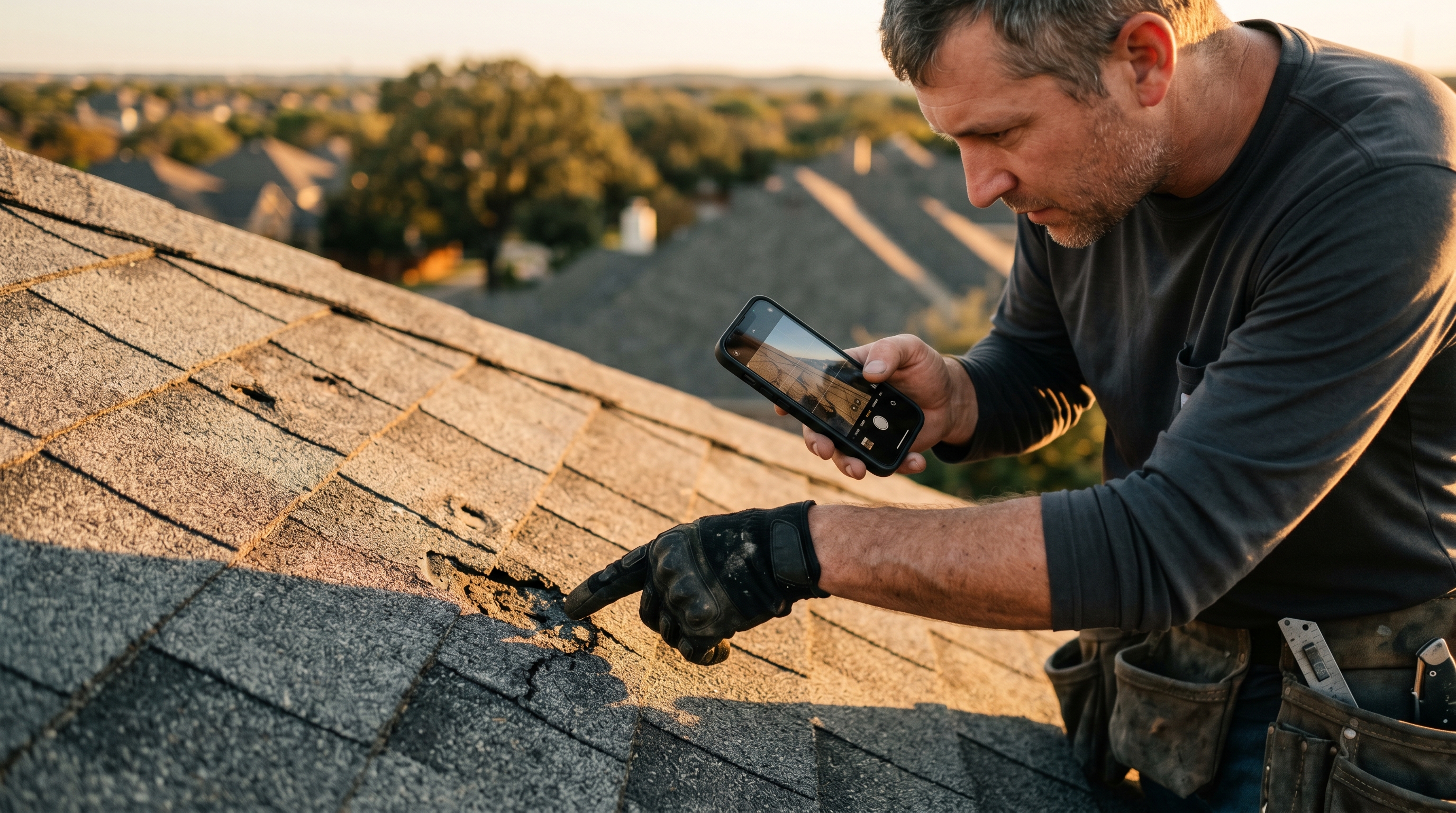
Have a reputable roofer climb the roof and document the damage with photos. This serves two purposes: you find out whether you actually have a claim worth filing, and you create a paper trail independent of the insurance adjuster. Filing a claim and getting denied — even when there is no real damage — counts against you for future premium calculations.
Reata's storm inspections are always free, regardless of whether the damage justifies a claim. If the roof came through clean, we tell you and you save yourself a claim-history hit.
Step 3 — Call your carrier
When you call, you need to provide:
- The exact date of the storm (from your radar screenshots)
- A summary of the damage your roofer documented
- Your policy number
- Confirmation of where photos and the inspection report should be sent
The carrier will assign a claim number and schedule an adjuster visit within 7 to 14 days. Make sure your roofer is available for that visit — the single most important meeting in the entire claim process.
Step 4 — Meet the adjuster (with your roofer present)
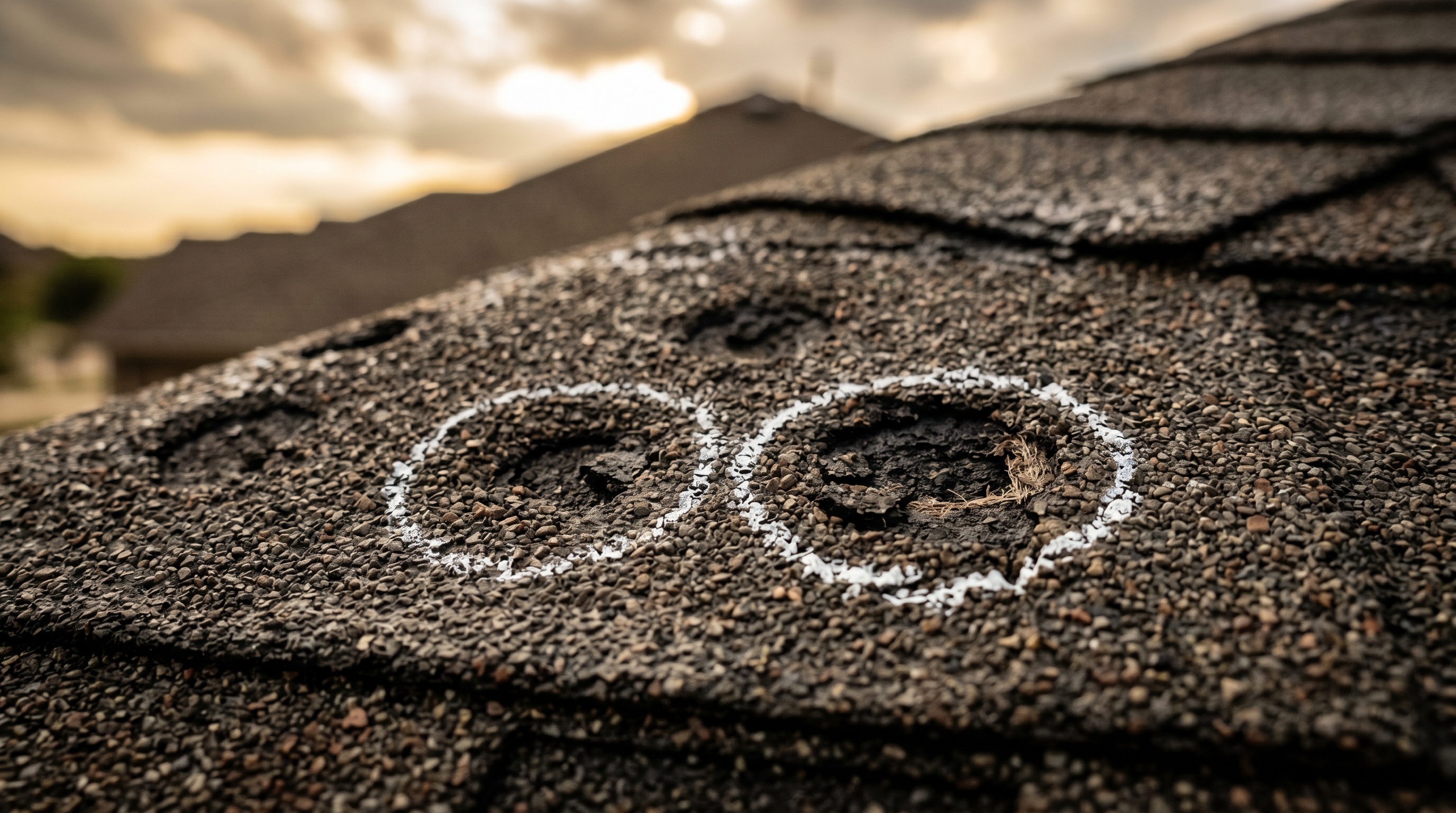
This is the meeting that decides your claim. The adjuster will climb the roof, mark damage with blue chalk circles, and write up a "scope" — the line-item document that tells the carrier what to pay for. Your roofer's job is to point out anything the adjuster misses: damaged ridge cap, broken flashing, dented vent collars, smashed gutters, soft fascia.
Roughly 60 percent of the time, the first scope is incomplete. The roofer writes supplements — additional line items with photos — and the carrier approves them. This is normal, expected, and built into the process.
Step 5 — Approve the scope and schedule the work
Once the carrier issues the approved scope, you (the homeowner) sign it and your roofer schedules the work. You owe only your deductible. The carrier sends the first check (the ACV check — actual cash value) and then a depreciation release check after the work is done and invoiced.
Free estimates across North Texas. Same-day inspections during storm season.